
Digital art history resources
Research, practical guidance, and examples that help art historians understand and shape the digital methods used to preserve, connect, and publish knowledge.
Featured resource


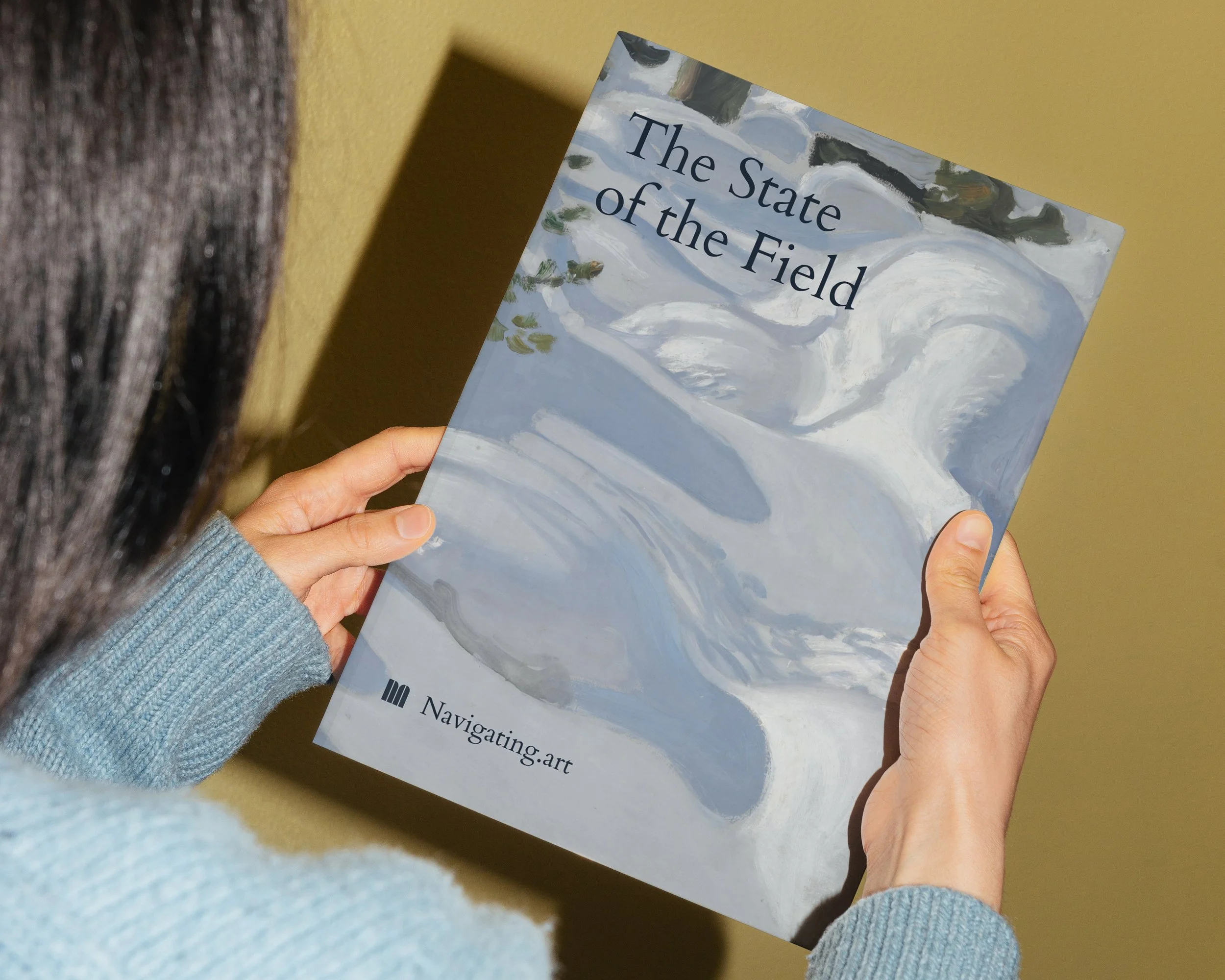
Research and publications
Original research, reports, and critical essays about digital art history, access, authority, and emerging methods.
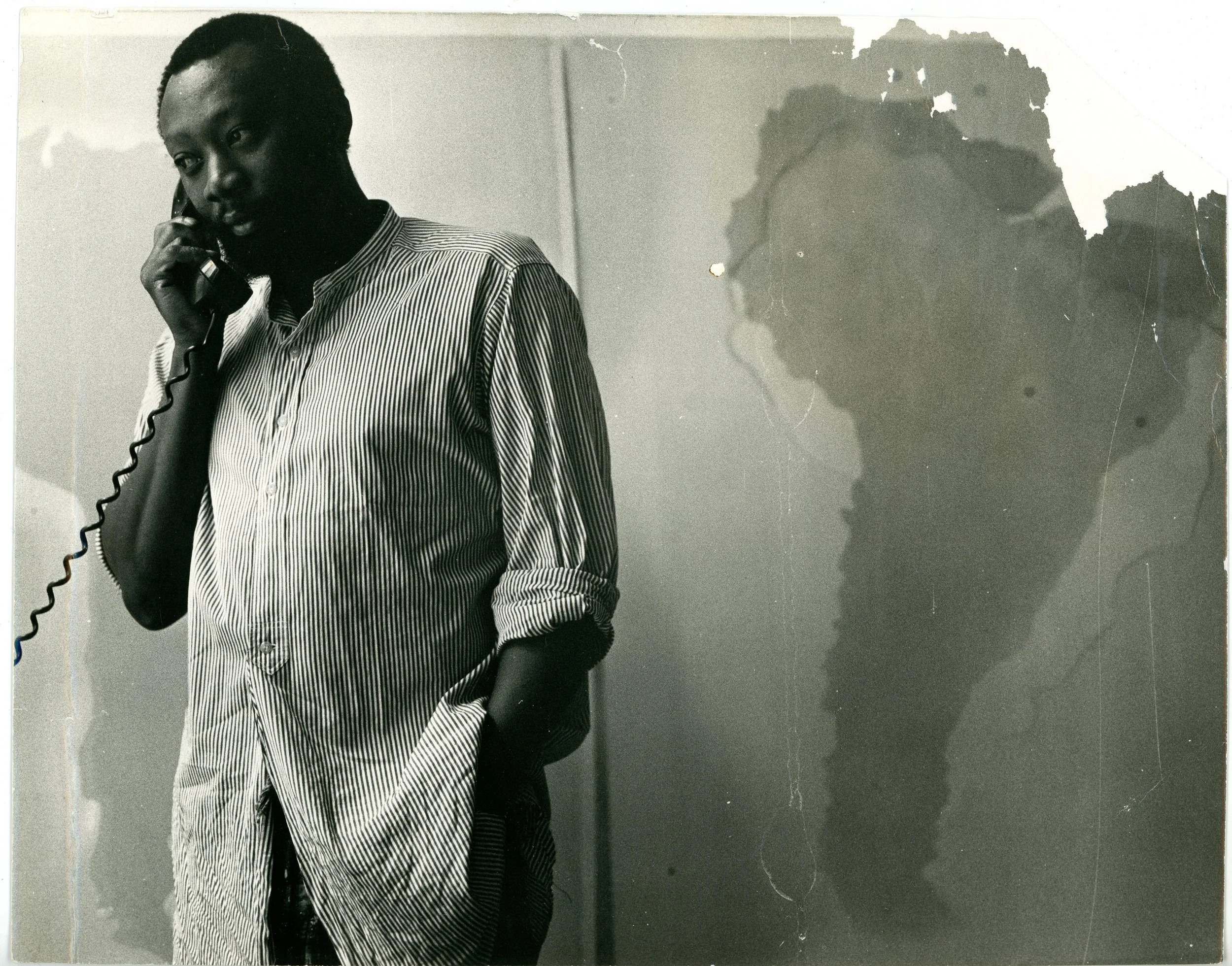


Digital catalogues in practice
How research organizations use connected data and digital publication to make scholarship available and useful.



Practical guidance
Clear explanations that help research teams make informed decisions about data, digital tools, and publication.
Browse all resources
The complete chronological archive includes research, guidance, project articles, news, and field notes.
The catalogue raisonné after digital: Authority, access, and infrastructure
Highlights from CRSA and CAA 2026 examine authority, iterative publication, long-term preservation, material research, and artificial intelligence.

Representing the unrepresented: challenging questions at ICRA's seventh annual conference
ICRA’s seventh annual conference asked how catalogue raisonné scholarship can document historically excluded artists without reinstating the hierarchies that excluded them. This report considers bias, provenance, funding, archives, digital methods, and scholarly responsibility.

Transforming art historical research: The 2025 Apollo Magazine Digital Innovation Award and its implications for catalogue raisonné work
An examination of the Getty Provenance Index and the 2025 Apollo shortlist, with lessons for catalogue raisonné teams working on provenance, attribution, access, and research infrastructure.

Highlights for art researchers from “New Thinking about the Catalogue Raisonné,” ICRA’s annual conference

Digital catalogue raisonné events and programs (2023)
A guide to 2023 catalogue raisonné webinars, conferences, and recorded programs exploring research, attribution, works on paper, and uncertainty.

The benefits of open access museum collections
Open access can extend the public value of museum collections. Meaningful openness also requires clear rights, ethical limits, usable information, accessible delivery, and continuing care.

Is your catalogue data ready for reuse? Ten lessons from NEMO
What does it take to make catalogue data searchable, exchangeable, and sustainable? This field note turns NEMO’s ten-part digital cataloguing guide into a practical data-readiness review.