
Digital art history resources
Research, practical guidance, and examples that help art historians understand and shape the digital methods used to preserve, connect, and publish knowledge.
Featured resource
Research and publications
Original research, reports, and critical essays about digital art history, access, authority, and emerging methods.
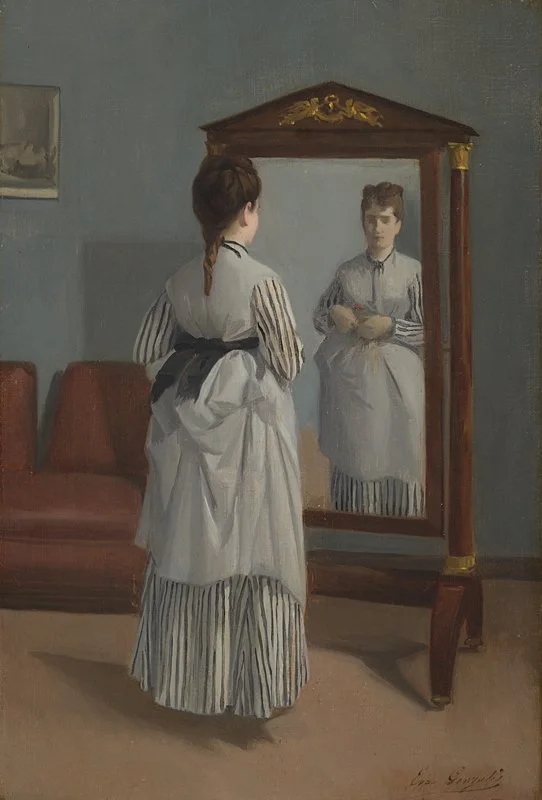
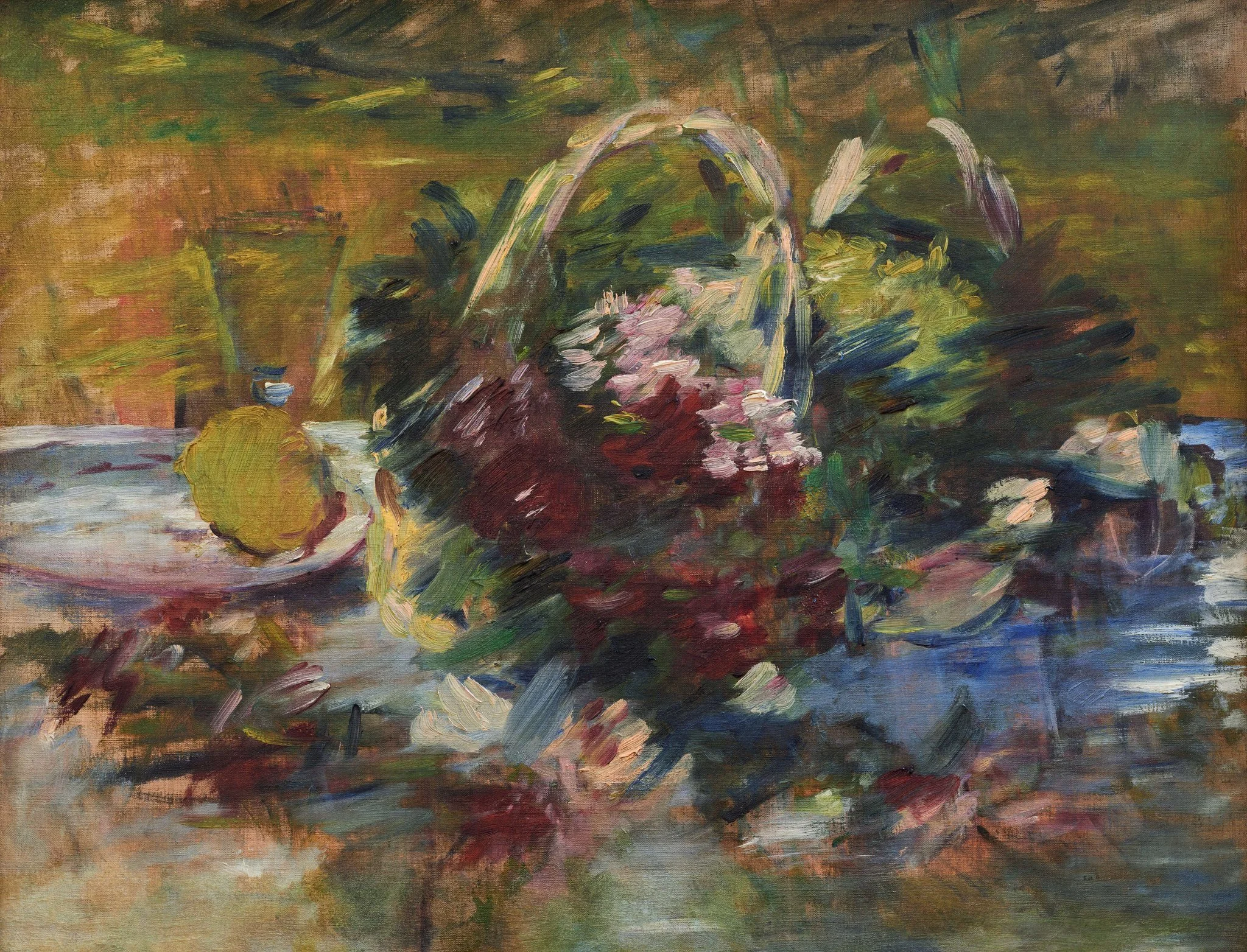
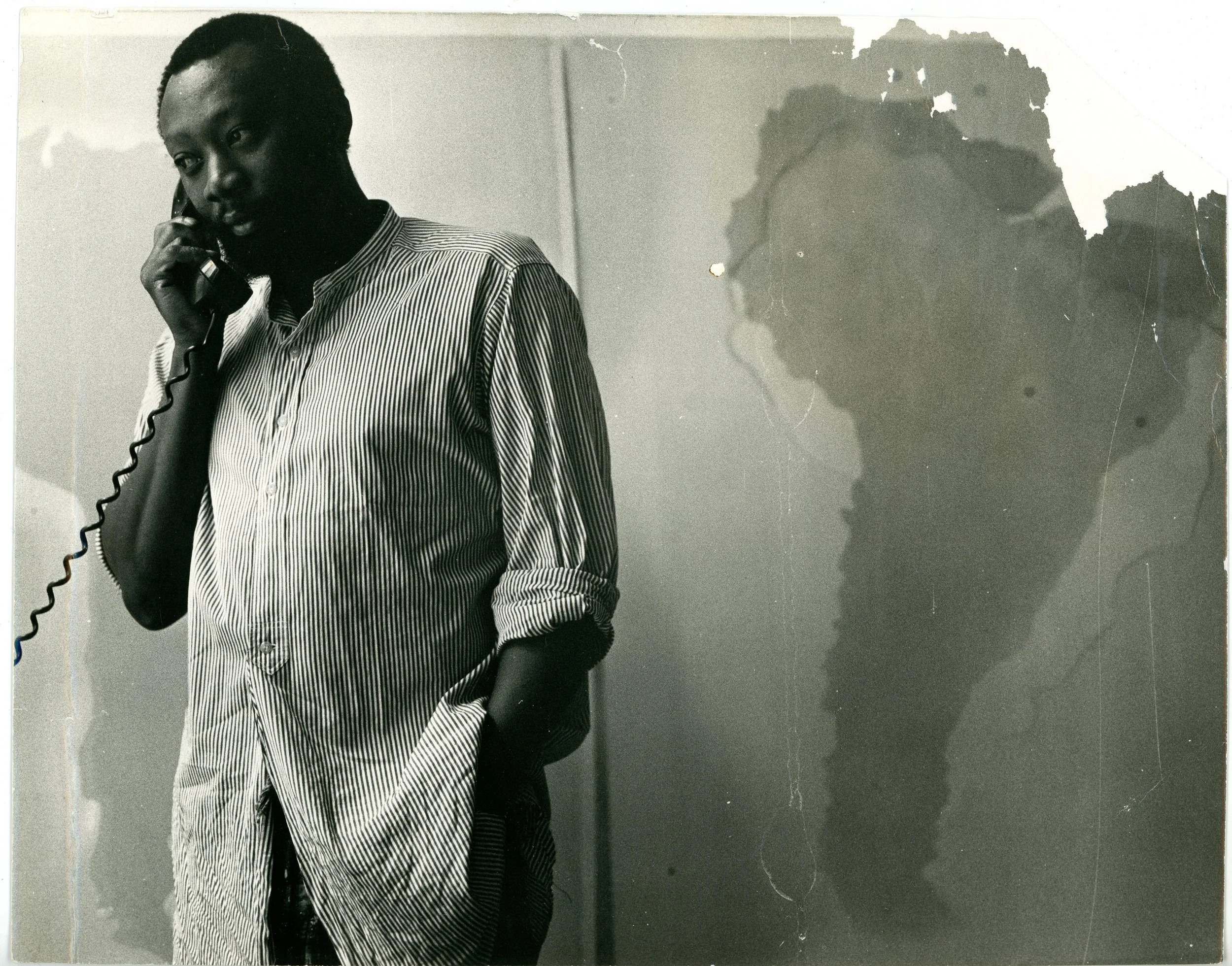


Digital catalogues in practice
How research organizations use connected data and digital publication to make scholarship available and useful.


Practical guidance
Clear explanations that help research teams make informed decisions about data, digital tools, and publication.
Browse all resources
The complete chronological archive includes research, guidance, project articles, news, and field notes.
Digital asset management for catalogues raisonnés
Digital asset management keeps each catalogue image connected to its metadata, rights, identifiers, and publication uses. This guide explains the asset lifecycle and the questions teams should ask before choosing a system.
What a confidence score can’t tell you: AI and the authorship of paintings
An AI confidence score describes a model’s classification, not the historical probability that an artist made a painting. This article explains what these systems measure and how they can support attribution research.
Who gets documented and how: a technical glimpse into 118 published digital catalogues raisonnés
This study uses public website fingerprints to identify how 118 live digital catalogues raisonnés are published and which artists they document. It examines visible technology, not catalogue content, data quality, or internal research workflows.
Frequently asked questions: Digital catalogue raisonné software and technology
Concise answers for scholars, estates, and institutions comparing digital catalogue raisonné technology, including what different approaches require and what to ask before committing.
Almost frictionless: open access museum collections in practice in 2026
Five museums have opened valuable images and metadata, but access works differently in practice. This field report tests their APIs and documents the technical barriers researchers may encounter.
A guide to choosing a digital strategy for your catalogue raisonné
A practical comparison of three technical approaches, with questions to help research leaders weigh organizational capacity, cost, sustainability, and scholarly fit.
The Eva Gonzalès Digital Catalogue Raisonné: Her work, relationships, and legacy
A close reading of the Eva Gonzalès Digital Catalogue Raisonné and what its works, sketchbooks, provenance records, and primary sources reveal about her artistic independence and legacy.
The catalogue raisonné after digital: Authority, access, and infrastructure
Highlights from CRSA and CAA 2026 examine authority, iterative publication, long-term preservation, material research, and artificial intelligence.
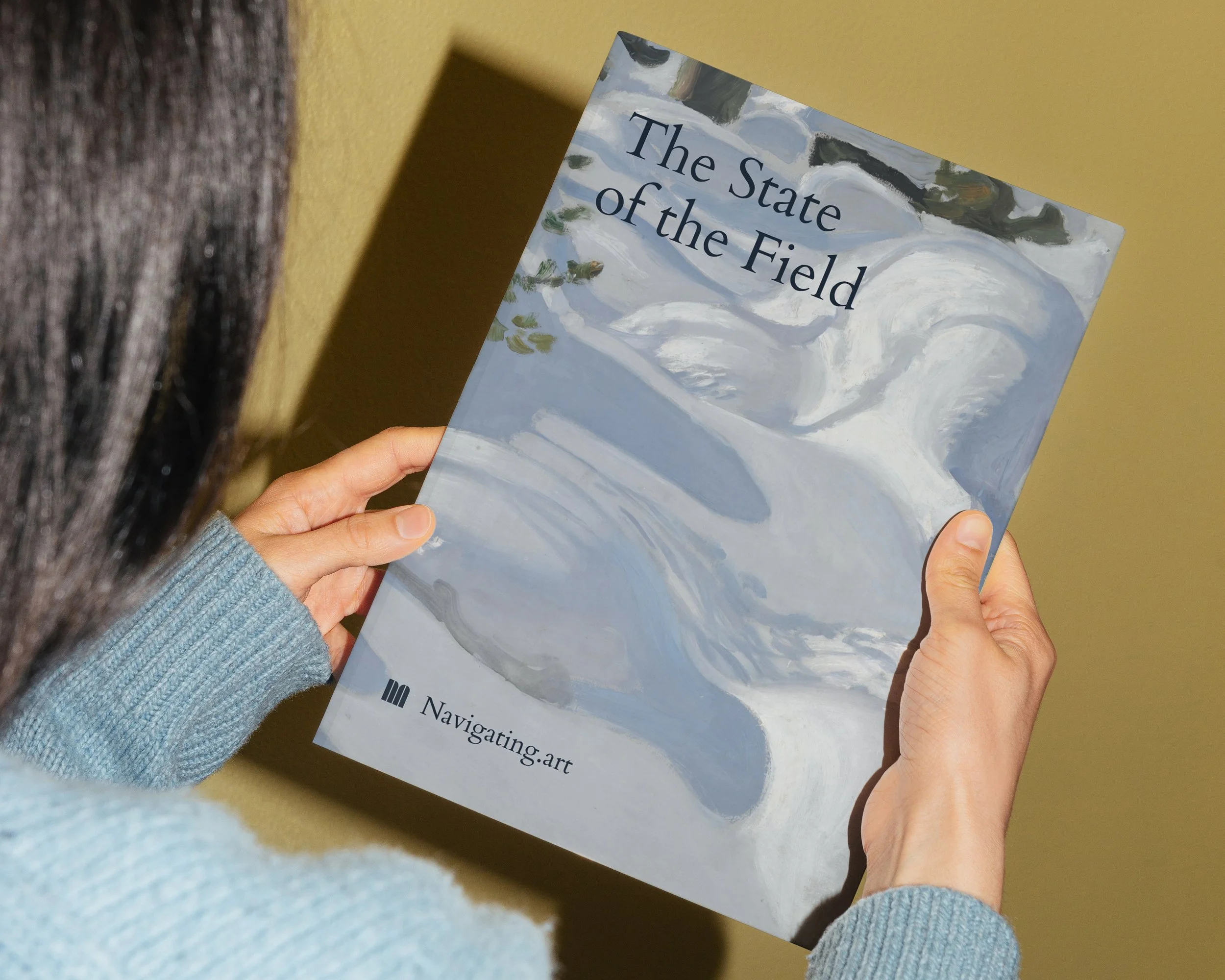
State of the field: Digital catalogues raisonnés, 2020 - 2025
Based on a 2025 field survey and recent publications, this report examines how digital catalogue raisonné teams approach funding, authority, technology, completion, artificial intelligence, and sustainability.
Representing the unrepresented: challenging questions at ICRA's seventh annual conference
ICRA’s seventh annual conference asked how catalogue raisonné scholarship can document historically excluded artists without reinstating the hierarchies that excluded them. This report considers bias, provenance, funding, archives, digital methods, and scholarly responsibility.
Advancing free scholarly access to art historical research materials: announcing the WPI Digital Library
The WPI Digital Library brings more than 25,000 digitized publications into one freely accessible research platform. Full-text search, structured metadata, and connections to library networks improve discovery.

Transforming art historical research: The 2025 Apollo Magazine Digital Innovation Award and its implications for catalogue raisonné work
An examination of the Getty Provenance Index and the 2025 Apollo shortlist, with lessons for catalogue raisonné teams working on provenance, attribution, access, and research infrastructure.
Bridging continents: expanding access to Frank Bowling's artwork with Mapping Frank Bowling
A case study of how the Frank Bowling Studio launched an expandable digital catalogue raisonné through institutional collaboration, verified records, and a strategic first publication.
CARE data practices for art researchers
Learn how CARE principles guide ethical art research through collective benefit, authority to control, responsibility, and Indigenous data sovereignty.
Manoucher Yektai: a vision beyond borders
The Manoucher Yektai digital catalogue raisonné documents an artistic practice shaped by Iran, France, and the United States. This project profile considers the estate’s evolving record and its significance for cross-cultural modernism.
Introduction to FAIR data principles for art researchers
FAIR principles offer art researchers a practical framework for managing and sharing research data. This introduction explains each principle and identifies realistic first steps for improving metadata, access, interoperability, and reuse.
WPI launches digital catalogue raisonné of Romare Bearden
WPI’s first release documents Bearden’s works from 1964 to 1969 and connects catalogue entries with the Romare Bearden Papers. The article examines incremental publication, archival evidence, and the project’s significance for scholarship on African American art.
Of creators and collectors: “Networks of Impressionism” unites technology and research to reveal interconnected stories
The art of progress: benefits of incrementally publishing a digital catalogue raisonné